ABOUT
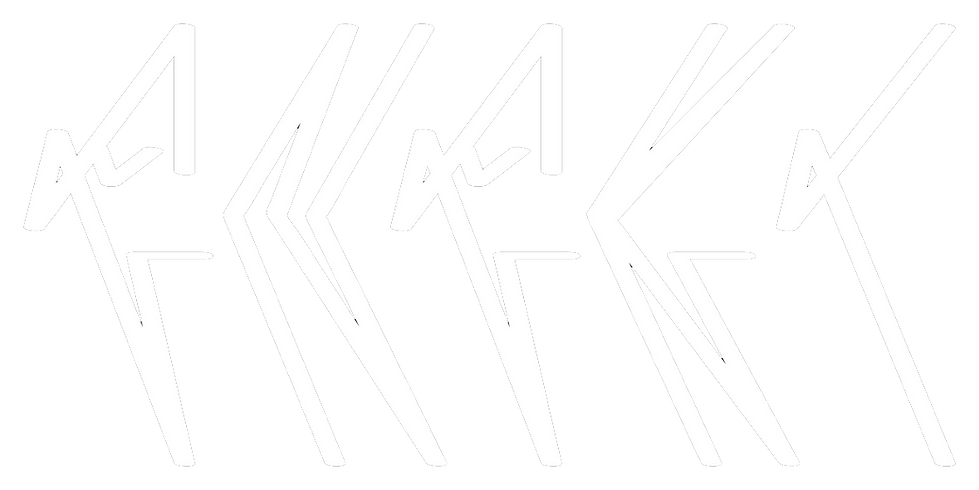
Eneri is a São Paulo-based visual artist whose practice is rooted in both pixo and Quimbanda. Born and raised in São Paulo, she began moving through baile funks, reggae parties, rap battles, and pixo gatherings as a teenager, first encountering pixo as a living urban culture before becoming an active participant herself. In 2013, she began writing on the city, becoming part of a generation of pixadoras committed to breaking gender barriers and disputing who has the right to occupy and transform urban space.
Pixo is a transgressive cultural and visual movement that emerged in São Paulo in the 1980s. Although sometimes loosely associated with other street art movements developed elsewhere, it established its own language from within Brazil, creating internal references, codes, and techniques that broke with the long-standing importation of artistic models from Europe and the United States. Born in a city as chaotic, unequal, and aggressive as São Paulo, pixo became a radical form of inscription, confrontation, and presence in public space, later spreading across much of Brazil and generating distinct identities, styles, and practices from region to region.
In some of its most extreme expressions, pixadores climb buildings from the outside without safety equipment, using only their bodies and the architecture itself to leave their mark on the city. This legacy continues in her work through writing, gesture, spatial intervention, and the body’s relationship to conflict, structure, and urban life.

ABOUT

At the same time that pixo became part of her life, Eneri also began attending Quimbanda rituals, a path that would gradually become equally foundational to her practice. In 2022, she deepened her spiritual process within Quilombo de Ganga, the house to which she belongs, and in 2025 she was initiated as Mametu Mona Mubanji. Rather than a symbolic reference or distant subject, Quimbanda enters her work as lived experience, spiritual structure, and embodied knowledge.
Like Brazil itself, Quimbanda was formed through layered crossings between African foundations, Indigenous knowledge, and European occultism influences. It is not a closed or singular system, but a living spiritual field shaped by exchange, transformation, and the continuous negotiation between visible and invisible worlds. In her work, it remains active through questions of protection, movement, ancestry, ritual, and the force of the crossroads.
Together, pixo and Quimbanda shape a body of work that moves between material mark and invisible force, between confrontation and ritual, between the exterior city and the interior territories of memory, identity, femininity, and transformation. Through this intersection, urban space emerges not only as a political surface marked by inequality and dispute, but also as a charged field where spirituality and unseen presences remain active.